





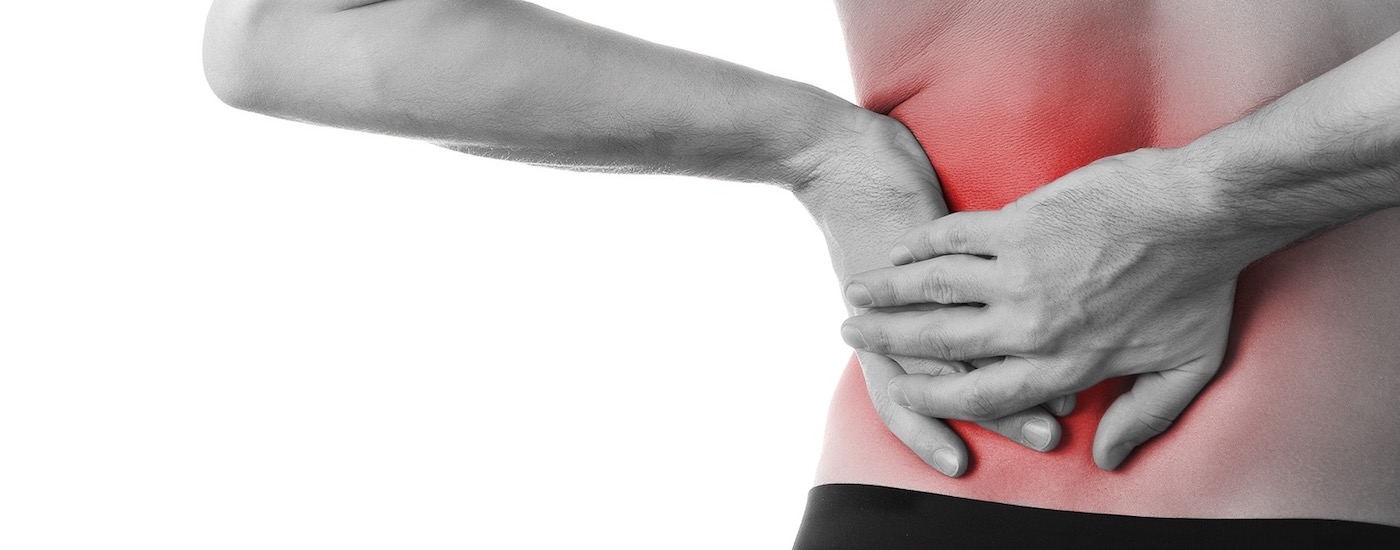


Kinesiotaping
Dr. Clemenhagen is now offering K-taping! Also known as Kinesiology taping, this taping method can treat a variety of musculoskeletal injuries and dysfunctions.
What is K-Taping?
K-taping is a holistic and non-pharmaceutical therapy method used for an extremely wide range of clinical conditions. Established in Germany for many years, it is now an important component in the range of modern therapies. K-taping is increasingly being used in many countries around the world.
Therapy Spectrum
K-taping supports almost the entire spectrum of physiotherapy, chiropractic and athletic therapy treatments, offering doctors and therapists a multitude of new treatment possibilities. Back problems, muscle tension, joint instabilities, or disc problems can be treated, as can migraine, tinnitus, menstrual pain and urinary disorders. K-Taping even offers an effective post-operative concept in lymphatic therapy, for instance following breast cancer operations. L-Taping is established in competitive and professional sport for treatment, prevention and pre-training preparation. The following principle applies in all cases: K-Taping maintains the patient’s full mobility – a decisive advantage compared with previous treatment methods.
The Tape
To successfully implement the K-Taping therapy, professional training and specially developed elastic tape are needed. The K-tape’s water-resistant and breathable properties enable long wearing and comfort while its elasticity is comparable to that of human muscles. The K-Tape is applied via a wave-like acrylic coating activated by body heat and which also takes over important mechanical functions. The K-Tape does not contain any pharmaceutically active or adhesive ingredients and is therefore neutral to the skin. It maintains its full effectiveness under the varied stresses of work, sport, showering, swimming and other activities of daily living.
Mode of Action
The K-Taping therapy is based on two main effects. The first effect is the stimulation of skin receptors. This is associated with a reduction in pain and aids proprioception. It specifically influences the complex interaction between muscle tension, joints, ligaments and nerves. The second effect occurs when the elastic K-Tape and the special application technique raise the skin and the tissues. This creates more space in the damaged tissues. Lymph fluid can flow easier, blood circulation improves and the pain receptors are relieved. The improvement in blood circulation alone stimulates the healing process. The K-Taping therapy’s exceptionally wide spectrum of use comes into being when the effects on lymph flow and the receptor stimulation are added.
The following are just a few examples of what can be treated with K-Tape:
Muscle strains
Joint sprains
Hematoma
Carpal Tunnel Syndrome
Runners Knee
Plantar Fascitis
Neck and shoulder tension
Rotator Cuff injuries
Trigger Points
IT (iliotibial) Band syndrome
Shoulder Instability
Whiplash
Low Back Pain
Achilles tendonitis
Shin splints
Scars
blog submitted by Dr. Laura Clemenhagen